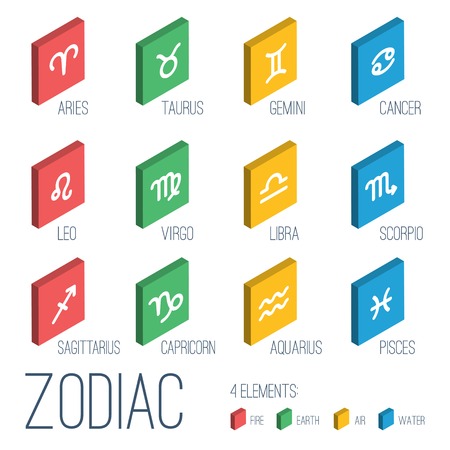

Understanding Cancer’s Core Traits
When talking about navigating life transitions, it’s important to start by understanding what makes Cancer individuals unique. Born between June 21 and July 22, Cancer is a water sign ruled by the Moon, which gives them their legendary emotional depth and strong intuition. In today’s fast-paced America, these traits can be both a strength and a challenge when facing change. Let’s break down the foundational characteristics that shape how Cancers approach big shifts in their lives.
Emotional Intelligence: The Heart of Cancer
Cancer folks are known for their high emotional intelligence. They tend to pick up on the feelings of those around them, often before anyone says a word. This ability helps them read situations quickly and respond with genuine care. Whether it’s supporting friends through tough times or sensing shifts in family dynamics, Cancers use this emotional awareness as a guide during uncertain moments.
How Emotional Intelligence Shows Up in Everyday Life
| Trait | Everyday Example | Impact During Change |
|---|---|---|
| Empathy | Checking in on coworkers or friends who seem stressed | Helps maintain supportive relationships during transitions |
| Compassion | Lending an ear or offering comfort when someone is upset | Makes it easier for Cancer to ask for help when needed |
| Sensitivity | Easily noticing shifts in mood at home or work | Aids in adapting early to new situations or changes in environment |
Intuition: Trusting Their Gut in Modern America
Cancers rely heavily on their gut feelings. In a country where life moves quickly—think job changes, relocations, and shifting social landscapes—this intuition becomes a superpower. They often sense when something isn’t right long before others do, helping them prepare emotionally and practically for what’s ahead.
Examples of Cancer Intuition at Work:
- Feeling uneasy about a new job opportunity and taking extra time to research before accepting
- Sensing tension in the family and reaching out early to smooth things over before it escalates
- Picking up on trends or changes in their community that might affect their routine or security
Family-Oriented Values: The Anchor Amidst Change
If there’s one thing most Cancers value above all else, it’s family—whether that means blood relatives or chosen family. Their desire for close connections gives them a strong support system but can also make transitions like moving away from home or changing family roles more emotionally intense.
Cancer’s Family Focus in American Life Transitions
| Life Transition | Cancer Response | Cultural Context in America |
|---|---|---|
| Moving to a New City for Work | Staying closely connected with family via calls, texts, and visits; creating new “family” with friends and colleagues | Reflects the modern trend of maintaining roots while embracing new opportunities across states or cities |
| Starting or Growing a Family | Puts extra energy into making home feel safe and welcoming; values traditions and shared moments deeply | Ties into American ideals of home-building and balancing work-life demands |
| Navigating Loss or Separation | Leans on family ties for comfort; may seek therapy or support groups to process emotions healthily | Aligns with increased focus on mental health and wellness resources available in the U.S. |
By understanding these core traits—emotional intelligence, intuition, and family-oriented values—we get a clearer picture of how Cancer individuals uniquely navigate life changes in 21st century America. These qualities not only shape their personal journeys but also influence the way they connect with communities, careers, and loved ones during times of transition.
2. Life Transitions in Contemporary America
The Fast Pace of Change in the 21st Century
In today’s America, life is moving faster than ever before. Whether you’re switching jobs, navigating new relationships, or packing up to move across the country, change is a constant. For Cancers, who naturally crave comfort and security, these rapid shifts can feel overwhelming. But with every challenge comes an opportunity to grow and adapt.
Key Life Transitions Modern Cancers Face
| Transition | Challenges for Cancers | Opportunities for Growth |
|---|---|---|
| Career Shifts | Uncertainty, fear of leaving a familiar environment, anxiety about new coworkers | Developing resilience, building new skills, expanding social networks |
| Relationships (starting or ending) | Emotional vulnerability, fear of rejection or loss, need for deep connection | Learning self-care, building emotional intelligence, discovering independence |
| Moving Homes | Losing a sense of belonging, letting go of memories, adapting to a new community | Creating fresh memories, exploring new places, finding personal strength |
Cancer’s Approach: Finding Comfort Amidst Change
Cancers often seek out stability when faced with change. In the U.S., where people move more often and careers shift quickly, it’s important for Cancers to find small routines that bring comfort—like cooking a favorite meal after a long day or staying connected with old friends through FaceTime. Building a cozy home space or keeping family traditions alive helps Cancers feel grounded even when everything else is shifting.
Adapting While Staying True to Yourself
The 21st century demands flexibility, but that doesn’t mean losing your core Cancer traits. Embrace your sensitivity as a strength—it helps you empathize with others and build meaningful relationships wherever you go. By blending your nurturing nature with practical strategies for handling change, you can thrive in modern American life.

3. Cancer’s Emotional Resilience
Understanding Cancer’s Inner Strengths
Cancer signs are known for their emotional depth and sensitivity, but what often goes unnoticed is their incredible resilience when life throws curveballs. Living in 21st century America, where change is constant—from shifting job markets to evolving family dynamics—Cancers draw from an inner well of empathy and a strong desire for security to weather transitions.
Natural Coping Mechanisms
Cancers don’t shy away from their feelings; instead, they use them as a guide. When faced with uncertainty, they reach out to trusted friends and family, building a support network that acts as both a sounding board and a safe haven. Their ability to nurture others also allows them to feel needed, reinforcing their sense of purpose during tough times.
Key Coping Strategies
| Strategy | Description | How It Helps in American Life |
|---|---|---|
| Building Safe Spaces | Cancers create comforting environments at home or work. | Offers stability amid rapid societal changes. |
| Seeking Emotional Support | Turning to close friends or family for advice and comfort. | Strengthens community ties, essential in American culture. |
| Practicing Self-Care | Engaging in activities like journaling, cooking, or nature walks. | Promotes mental health, which is highly valued today. |
| Helping Others | Volunteering or supporting loved ones during their transitions. | Builds reciprocal relationships and resilience. |
The Role of Empathy and Security
Cancers’ empathetic nature means they often pick up on the emotions of those around them. This helps them adapt quickly, as they can sense shifts before others do. Their need for security pushes them to plan ahead, whether it’s saving money or nurturing long-term relationships. In the fast-paced world of modern America, this combination helps Cancers not just survive change—but thrive through it.
4. Building Support Systems: Family, Friends, and Community
Cancers are known for their deep emotional connections and strong loyalty to the people they care about. In the fast-paced, often individualistic culture of 21st century America, these traits can become powerful tools for navigating life changes. While many Americans value independence and personal achievement, Cancers find comfort and strength in building close-knit support networks. This approach helps them manage stress, face uncertainty, and adapt to new situations.
Why Support Networks Matter for Cancer
Cancer signs thrive when surrounded by loved ones who offer understanding and encouragement. During major transitions—such as moving to a new city, starting a new job, or handling family changes—having a reliable group to lean on can make all the difference. For Cancers, this isn’t just about emotional comfort; it’s a way to feel anchored and safe in a world that can sometimes feel overwhelming.
Types of Support Systems
| Support System | How It Helps Cancer Navigate Change |
|---|---|
| Family | Provides unconditional love, shared traditions, and a sense of belonging. |
| Friends | Offers empathy, honest advice, and social connection outside the family unit. |
| Community | Creates opportunities for involvement, purpose, and expanding one’s network in meaningful ways. |
Cancers Approach: Blending Tradition with Modern Life
In American society, where people often move far from home or change jobs frequently, Cancers may need to get creative in maintaining their support circles. They might schedule regular video calls with distant relatives or organize potluck dinners with neighbors to build community. Social media groups or local clubs can also serve as modern “families,” helping Cancer signs stay connected even when physical distance is a factor.
Tips for Building Your Own Support System as a Cancer
- Reach Out: Don’t be afraid to ask for help or share your feelings with trusted friends or family members.
- Create Traditions: Simple rituals like weekly dinners or monthly game nights can strengthen bonds.
- Join Groups: Whether it’s a local volunteer organization or an online community that shares your interests, find places where you belong.
- Nurture Relationships: Send messages just to check in or let someone know you’re thinking of them—it goes a long way!
The Cancer Difference in America
Cancer’s natural inclination toward forming strong emotional ties stands out in the U.S., where self-reliance is often emphasized. By focusing on building support systems, Cancers not only take care of themselves but also create safe spaces for others experiencing change. Their warmth and loyalty have a ripple effect, reminding everyone that even in an individualistic society, community still matters.
5. Practical Strategies for Navigating Change
Embracing Self-Care During Life Transitions
Cancers are known for their caring nature, but when life gets unpredictable, it’s important to turn some of that care inward. In the fast-paced and often stressful environment of 21st century America, self-care is more than a buzzword—it’s a necessity. Try simple routines like journaling your feelings, enjoying comfort foods in moderation, or carving out quiet time for yourself. Remember, recharging isn’t selfish; it’s essential for keeping your emotional balance during big changes.
Simple Self-Care Ideas for Cancers
| Activity | How It Helps |
|---|---|
| Journaling | Helps process emotions and track progress through change |
| Meditation or Yoga | Reduces stress and centers your thoughts |
| Cooking Comfort Food | Offers grounding and a sense of familiarity |
| Nature Walks | Boosts mood and provides perspective on challenges |
| Connecting with Loved Ones | Strengthens support systems during transitions |
Maintaining Healthy Boundaries
Cancers have a deep desire to protect and nurture others, which can sometimes make it hard to say “no.” But setting boundaries is key to navigating change successfully, especially in a culture that values independence and personal growth. Practice clear communication with friends, family, or coworkers about what you need—whether that’s time alone or extra support. Healthy boundaries allow you to show up as your best self without feeling overwhelmed.
Seeking Professional Help When Needed
There’s no shame in reaching out for help when life gets tough. In the U.S., mental health support is becoming more normalized and accessible. Therapists, counselors, or even life coaches can provide a safe space to explore feelings and strategies tailored to your unique Cancer traits. If you’re struggling with anxiety about change or feeling stuck, consider these resources:
Professional Support Options for Cancers in the U.S.
| Type of Support | How It Can Help | Where to Find It |
|---|---|---|
| Counseling/Therapy | Guides you through emotional ups and downs of transition | Local clinics, online platforms (BetterHelp, Talkspace) |
| Support Groups | Connects you with others going through similar changes | Community centers, Meetup.com, Facebook groups |
| Life Coaching | Provides practical tools and motivation for moving forward | Certified coaches via online directories (ICF, Yelp) |
| Employee Assistance Programs (EAP) | Offers confidential help for work-related transitions or stressors | Your workplace HR department or benefits portal |
Culturally Relevant Tips for Cancers in America Today
Navigating change means understanding the culture around you. Don’t hesitate to lean into American values like resilience and resourcefulness while honoring your Cancerian need for security. Blend traditions from your background with new rituals that help you feel safe—maybe a Sunday family dinner or a weekly FaceTime call with loved ones far away. Remember: it’s okay to ask for help and take things one step at a time.