

1. Introduction to the Mind-Body Connection
In recent years, the idea of the mind-body connection has become a central theme in American wellness culture. This concept is all about understanding how our thoughts, feelings, and mental state can directly impact our physical health—and vice versa. While this might sound like a modern trend, the roots of the mind-body connection stretch back thousands of years, with influences from ancient Eastern practices like yoga and meditation.
What Is the Mind-Body Connection?
At its core, the mind-body connection is the belief that our mental and physical well-being are deeply linked. Its not just about treating symptoms or focusing on one part of ourselves; its about recognizing that stress, happiness, anxiety, and even hope can affect our bodies in real ways. For example, feeling stressed can lead to headaches or trouble sleeping, while practicing mindfulness can lower blood pressure and boost your mood.
Historical Influences
The journey of the mind-body connection into mainstream American culture began with ancient philosophies but really took off in the 20th century. Practices like yoga from India and meditation from Buddhist traditions started to gain popularity as people searched for holistic ways to manage stress and stay healthy. Over time, these practices were adapted and embraced by Americans from all walks of life.
Key Milestones in U.S. Wellness Culture
| Year/Period | Event/Influence |
|---|---|
| 1960s-1970s | Yoga studios open across major cities; meditation gains followers during counterculture movement |
| 1990s | The wellness movement expands with fitness centers promoting mind-body classes like Pilates and tai chi |
| 2000s-Present | Mindfulness apps, corporate wellness programs, and scientific research highlight benefits of the mind-body connection |
The Mind-Body Connection Today in America
Today, more Americans are turning to yoga classes, guided meditations, and wellness retreats than ever before. The focus isnt just on looking good—its about feeling balanced inside and out. Doctors and therapists now often recommend mind-body techniques alongside traditional treatments for conditions like anxiety or chronic pain. This shift shows just how important overall well-being has become in American daily life.
2. Yoga in the American Wellness Scene
How Yoga Found Its Place in the U.S.
Yoga first arrived in America in the late 19th and early 20th centuries, introduced by spiritual teachers from India. Over the decades, yoga has evolved far beyond its original roots, becoming an essential part of the wellness movement across the country. Today, you can find yoga studios in nearly every city, and classes are offered everywhere from gyms to community centers to online platforms.
The Adaptation and Popularization of Yoga
Unlike traditional yoga practices focused on spiritual growth and meditation, American yoga often highlights physical fitness and stress relief. Different styles like Vinyasa, Hatha, Bikram (hot yoga), and Power Yoga have gained popularity for their unique approaches. Instructors frequently incorporate music, lighting, and even elements of pop culture to make sessions more engaging and accessible for diverse audiences.
Physical and Psychological Benefits
Yoga is celebrated for providing a range of physical benefits such as increased flexibility, improved strength, better posture, and enhanced balance. Equally important are the psychological benefits—yoga helps reduce stress, boost mood, and improve mental clarity. Many Americans turn to yoga not only for exercise but also as a way to manage anxiety and support overall emotional well-being.
Key Benefits of Practicing Yoga in the U.S.
| Physical Benefits | Psychological Benefits |
|---|---|
| Improved flexibility | Reduced stress |
| Increased muscle strength | Enhanced mood |
| Better posture | Mental clarity |
| Greater balance and coordination | Relief from anxiety symptoms |
| Pain management | Better sleep quality |
The Role of Community and Accessibility
One reason yoga has become so embedded in American wellness culture is its accessibility. Classes are designed for all levels, from beginners to advanced practitioners, making it easy for anyone to get started. Community events like outdoor yoga in parks or charity-driven classes help foster a sense of belonging and support among participants. This community aspect encourages regular practice and makes wellness more approachable for everyone.
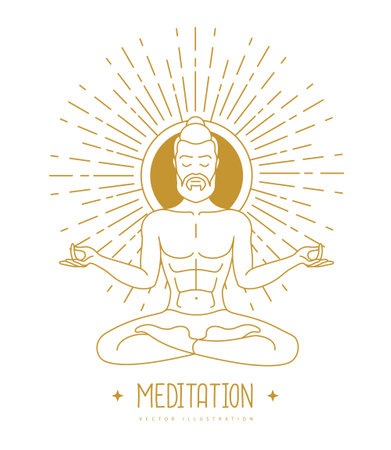
3. Meditation: From Tradition to Mainstream
How Meditation Arrived in the U.S.
Meditation has a long history rooted in Eastern spiritual traditions, especially from countries like India, China, and Japan. In the 1960s and 1970s, meditation started to make its way into American culture. It was first popular among people interested in spirituality, yoga, and alternative lifestyles. Influential figures like Maharishi Mahesh Yogi and practices such as Transcendental Meditation (TM) introduced Americans to different forms of meditation.
The Shift Toward Science and Wellness
Over time, meditation shifted from being seen mainly as a spiritual or religious practice to becoming recognized for its health benefits. Scientific studies began to show that meditation could help reduce stress, improve focus, and boost overall well-being. This helped meditation gain more acceptance in mainstream culture, especially as part of the broader wellness movement in the U.S.
Main Differences: Then vs. Now
| Aspect | Early Days | Modern Mainstream |
|---|---|---|
| Who Practiced | Spiritual seekers, yoga communities | People of all ages and backgrounds |
| Main Purpose | Spiritual growth, enlightenment | Stress relief, mental health, wellness |
| Setting | Retreat centers, temples | Homes, schools, workplaces, apps |
| Accessibility | Limited information and resources | Wide range of classes, books, apps, online videos |
| Cultural Viewpoint | Alternative or fringe practice | Mainstream and widely accepted |
Meditation in Everyday American Life Today
Meditation is now a common part of daily routines for many Americans. Schools offer mindfulness programs to students; businesses use meditation to support employee wellness; even athletes use it to improve focus and performance. Popular apps like Headspace and Calm make it easy for anyone to get started with guided meditations right from their phone.
The Growing Role of Meditation in U.S. Wellness Culture
The rise of the wellness movement has made meditation more than just a trend—its become a regular self-care tool for millions of people across the country. Whether for managing anxiety, improving sleep, or just taking a mindful moment during a busy day, meditation continues to evolve as an essential part of mind-body wellness in the U.S.
4. The Rise of the Wellness Movement
The wellness movement in the United States has become a major cultural force, transforming how people approach health and self-care. It goes far beyond just eating right or hitting the gym—it’s about nurturing the whole person, mind and body, through holistic practices and lifestyle choices. Americans are now embracing everything from yoga studios on every corner to meditation apps, juice bars, and wellness retreats.
Growth of Wellness Industries
The wellness industry in America is booming. From fitness classes and organic foods to wearable tech that tracks your steps and sleep, companies are creating products and services that promise better health and happiness. People are investing more in personal well-being than ever before.
| Wellness Sector | Popular Examples | Main Benefits |
|---|---|---|
| Fitness & Yoga | Yoga studios, boutique fitness gyms, online classes | Physical health, stress relief, community building |
| Meditation & Mindfulness | Meditation apps (like Headspace), mindfulness workshops | Mental clarity, emotional balance, improved focus |
| Nutrition & Diet Trends | Organic groceries, plant-based diets, smoothie bars | Better digestion, increased energy, disease prevention |
| Holistic Therapies | Acupuncture, massage therapy, aromatherapy | Pain relief, relaxation, enhanced well-being |
| Wellness Technology | Fitness trackers, sleep monitors, health apps | Personalized insights, habit tracking, motivation boosts |
Holistic Health Trends Shaping America
Americans are increasingly interested in holistic health—looking at their bodies as interconnected systems rather than just treating symptoms. Practices like yoga and meditation have become mainstream ways to manage stress and promote mental wellness. There’s also a shift toward preventive care: people want to stay healthy instead of just fixing problems after they arise.
Accessible Self-Care for Everyone
The movement isn’t just for celebrities or those who can afford luxury spas. Affordable options like community yoga classes, free meditation resources online, and neighborhood farmers’ markets make it easier for everyone to get involved in wellness culture.
The American Approach: Blending Science and Tradition
In the U.S., the wellness movement often blends modern science with ancient wisdom. Research on mindfulness and yoga backs up their benefits while respecting roots from Eastern philosophies. This mix helps more Americans feel comfortable trying out new practices for their mind-body connection.
5. Challenges and Criticisms
The Wellness Movement: Not Always Welcoming to Everyone
While yoga, meditation, and wellness practices have brought many benefits to Americans, there are real challenges and criticisms that deserve attention. One major issue is inclusivity. Many people feel left out of the wellness movement due to its image in popular culture—think expensive yoga classes, pricey athleisure wear, and Instagram feeds filled with a certain look or body type.
Common Misconceptions and Who Feels Excluded
| Misconception | Who It Affects | Reality |
|---|---|---|
| Yoga and meditation are only for young, fit people | Seniors, people with disabilities, plus-size individuals | Practices can be adapted for all ages and bodies |
| You need expensive gear or memberships | Low-income individuals, students | Many resources are free or low-cost, but access is unevenly promoted |
| The wellness movement is always inclusive and diverse | People of color, LGBTQ+ community, men | Diversity is improving but still lacking in many spaces |
Commercialization and Authenticity Concerns
The booming popularity of wellness in the U.S. has also led to concerns about commercialization. Some worry that the true spirit of yoga and meditation is being lost when these practices are turned into products or trendy lifestyle brands. For example, ancient spiritual traditions sometimes get watered down or repackaged just to sell more classes, apps, or supplements. This can make it harder for people to connect with the deeper meaning behind these practices.
Main Criticisms Around Commercialization
- Cultural Appropriation: Borrowing cultural elements without respect for their origins.
- Profit Over Practice: Prioritizing business over authentic teaching.
- Lack of Accessibility: Higher costs put wellness out of reach for some groups.
- Shallow Messaging: Focus on appearance and lifestyle rather than true health and self-care.
Toward a More Inclusive Wellness Community
There are growing efforts in the U.S. to address these challenges by promoting diversity in yoga studios, offering sliding-scale pricing, and highlighting teachers from different backgrounds. Understanding these criticisms helps everyone work toward a more welcoming and meaningful mind-body connection for all.